
What Are D-Rings Used For? A Practical Guide for Webbing Projects, Collars, Straps, and More

The Versatile World of D-Rings
D-Rings are one of those small pieces of hardware that quietly do a lot of heavy lifting.
You might not think about them when clipping a leash to a dog collar, adjusting a bag strap, hanging a key fob, or securing gear in the back of your car. But the moment a project needs a strong attachment point, a clean strap connection, or a reliable anchor, there’s a good chance a D-ring is part of the solution.
Simple? Yes.
Useful? Very.
D-rings are popular with DIY makers, pet product creators, outdoor gear repairers, small business owners, and everyday crafters because they work well with webbing, leather, fabric, and strap-based projects. They come in different sizes, finishes, materials, and strengths, which means the right D-ring can make your project stronger, safer, easier to use, and better looking.
Whether you’re making dog collars, building adjustable straps, repairing bags, designing handmade accessories, or stocking up for your next batch of craft projects, understanding D-ring uses can help you choose the right hardware from the start.
Let’s look at what D-rings are, how they’re used, and what to consider when picking the best option for your project.
What Is a D-Ring?
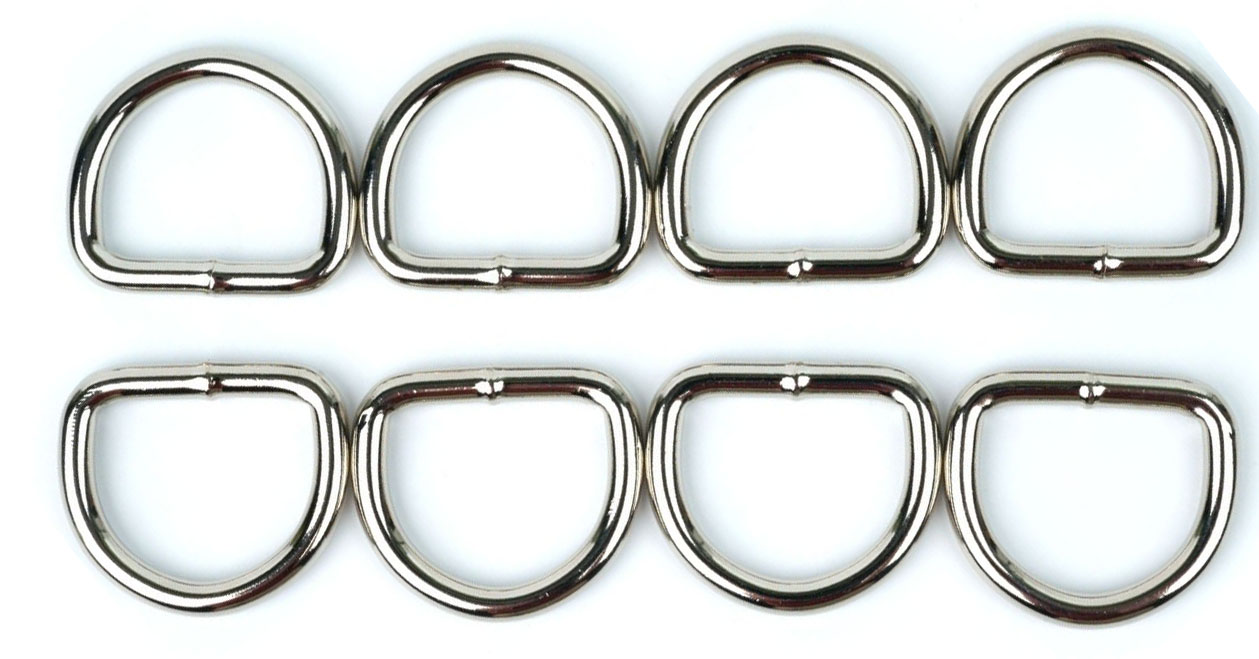
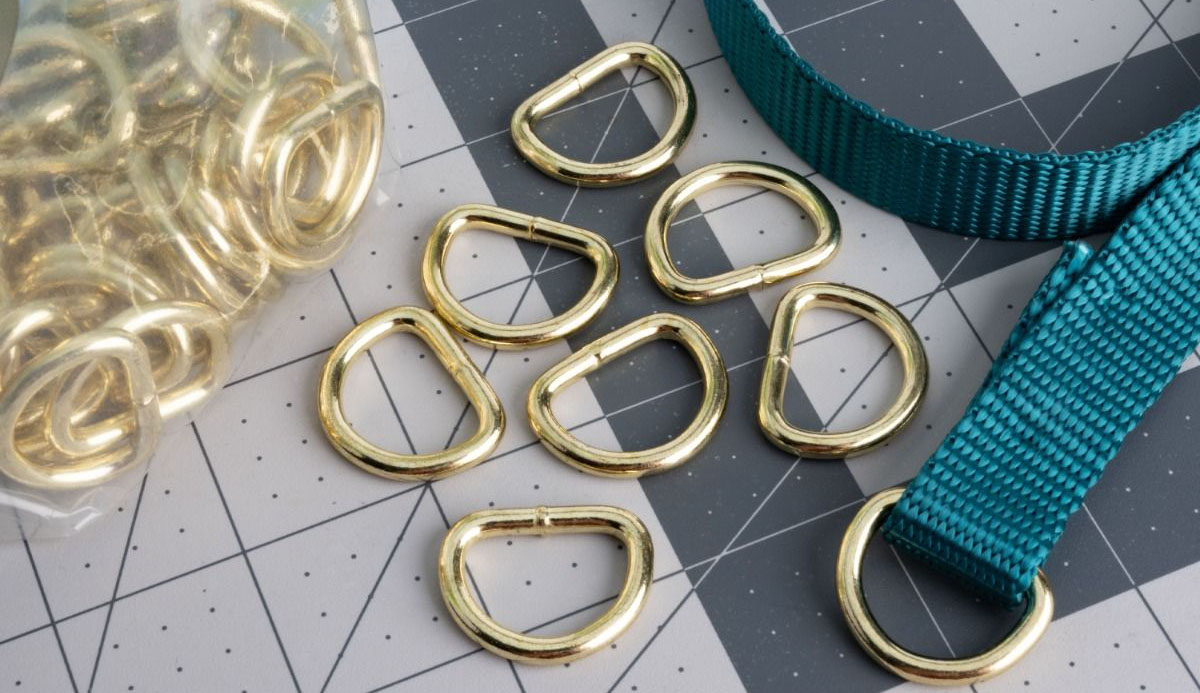
A D-ring is a piece of hardware shaped like the letter “D.” It has one straight side and one curved side, making it easy to sew, loop, or secure onto webbing while still providing a smooth attachment point for clips, hooks, straps, and other hardware. The flat side usually sits against the webbing or fabric, while the rounded side gives you a place to attach something else. That simple shape is what makes D-rings so versatile. They can be used as:
- Attachment points
- Strap connectors
- Leash anchors
- Bag hardware
- Adjustable belt components
- Utility strap anchors
- Decorative hardware accents
- Keychain and lanyard connectors
D-rings are often paired with nylon webbing, polyester webbing, polypropylene webbing, cotton webbing, leather, ribbon, or fabric. They are commonly used alongside buckles, triglide slides, snap hooks, rectangle rings, O-rings, and other strap hardware.
What Are D-Rings Used For?
Dog Collars and Pet Accessories
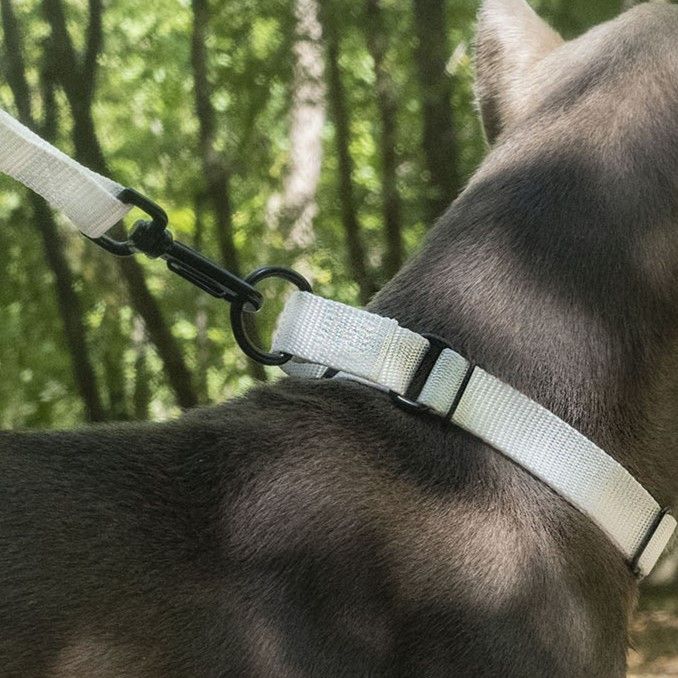
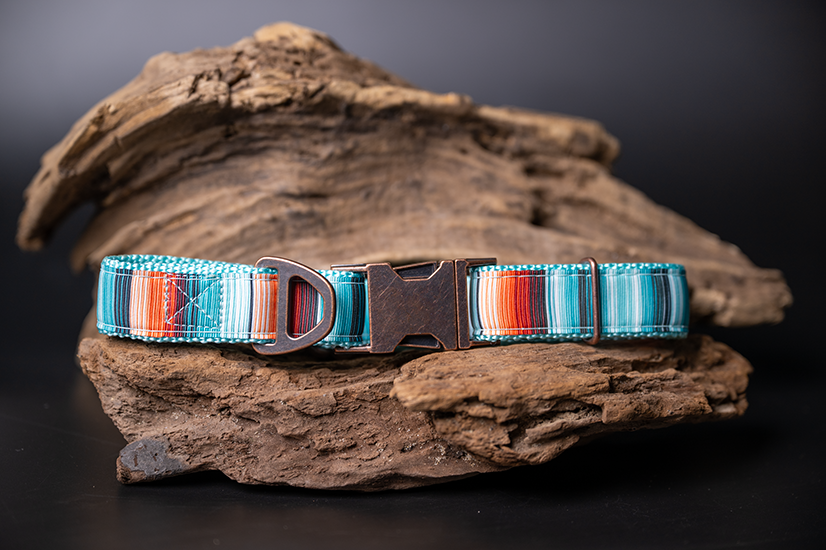
Dog collars are one of the most recognizable D-ring uses. On a collar, the D-ring creates a secure place to attach a leash, ID tag, charm, or other accessory. It may be sewn directly into the collar, placed near the buckle, or built into an adjustable collar design. For pet products, hardware choice matters. A D-ring on a dog collar is not just decorative. It needs to hold up to pulling, daily walks, movement, weather, and repeated leash clipping.
D-rings are commonly used in:
- Dog collars
- Martingale collars
- Dog leashes
- Harnesses
- Pet ID tag attachments
- Training leads
- Custom pet accessories
For small dogs or decorative collars, lighter hardware may be appropriate. For larger dogs, strong pullers, working dogs, or heavy-duty collars, metal D-rings are usually the better choice. If you make collars to sell, the D-ring is also part of the customer’s first impression. A sturdy, attractive D-ring can make a handmade collar feel polished, professional, and dependable.
Pet Leashes & Leads
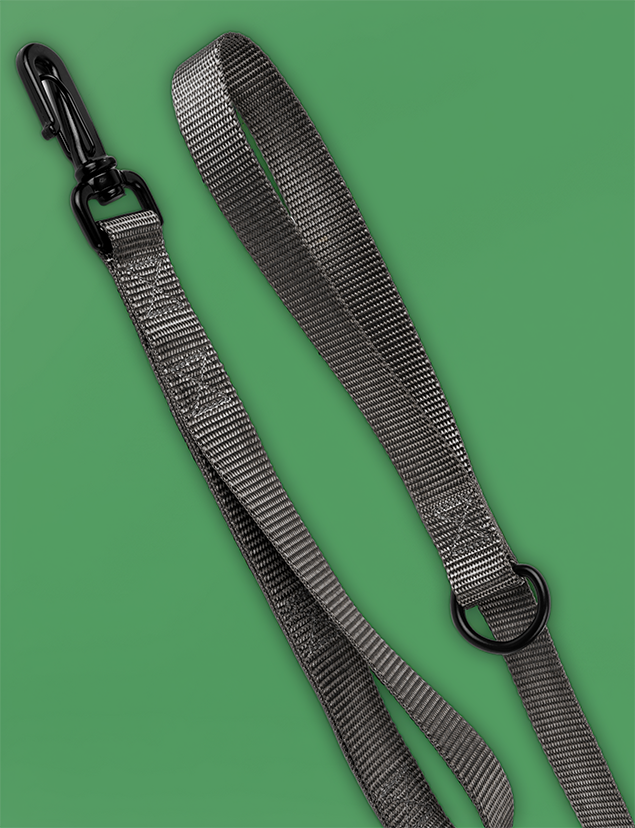
D-rings are also useful in leash projects. A leash may include a D-ring near the handle so the owner can attach waste bag holders, keys, treat pouches, lights, or small accessories. Some hands-free leashes and training leads use multiple D-rings to create adjustable lengths or different connection points. For example, a multi-function leash may use D-rings to allow the leash to be worn around the waist, shortened for close control, or clipped into different configurations. When making leashes, it is important to choose hardware that matches the size and strength of the webbing. A durable D-ring, a strong snap hook, and reinforced stitching all work together to create a finished product that is reliable during daily use.
Adjustable Belts and Straps
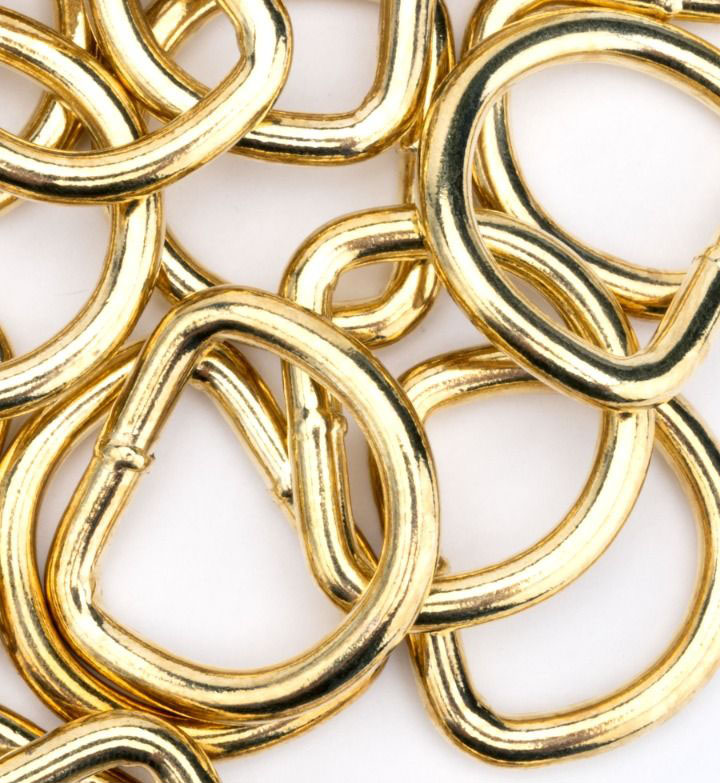
D-Rings are crafted from a variety of materials, each offering unique benefits depending on the application. Some of the most common materials include:
- Nickel-Plated Steel: The most common material, offering durability and resistance to wear.
- Plastic: Lightweight but less durable, ideal for decorative or light-duty applications.
- Stainless Steel: Highly resistant to rust and corrosion, making it great for outdoor or marine use.
- Zinc Die Cast: Affordable and moderately strong, suitable for general-purpose use.
- Solid Brass: Combines strength with resistance to corrosion, often used in premium applications.
Each material has its strengths and limitations, so it’s essential to choose the right one based on your needs.

Bags, Backpacks, and Purse Straps
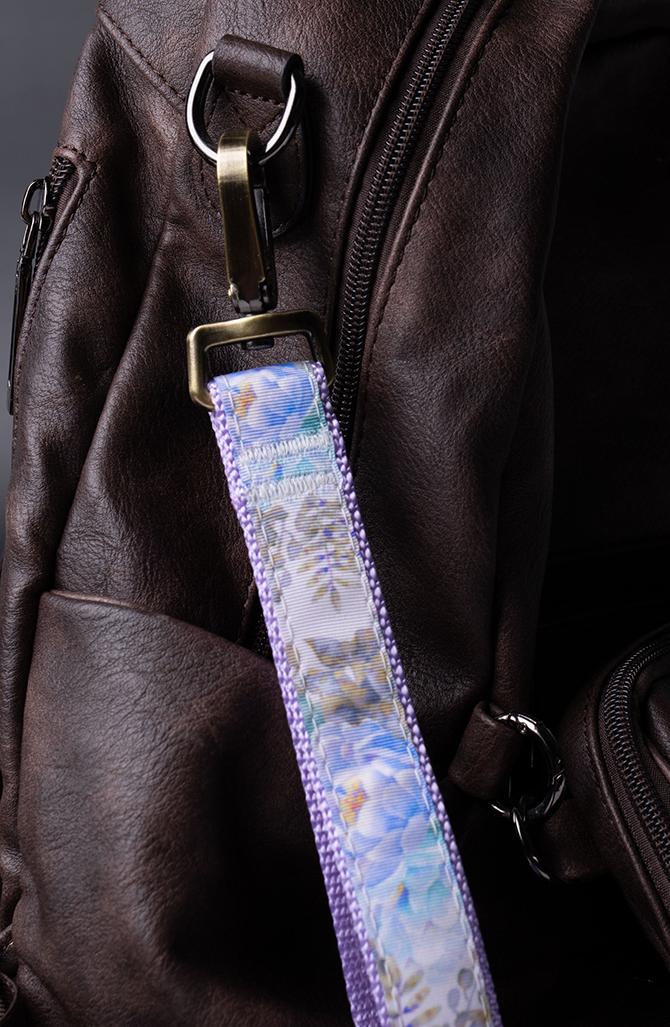
D-rings are a staple in bag making. They can be sewn into seams, attached to webbing loops, or used as connector points for removable straps. In purse and backpack projects, D-rings give makers a clean way to attach clips, handles, crossbody straps, and accessories. A D-ring can make a strap removable, adjustable, or interchangeable. That is especially useful for handmade bags where customers may want to swap strap lengths, colors, or styles. For bags that carry heavier items, metal D-rings are usually preferred because they provide more strength and durability than plastic options.
Key Fobs, Lanyards, and Everyday Accessories
D-rings are also popular for smaller craft projects.
They work well for:
- Key fobs
- Wristlets
- Lanyards
- Badge holders
- Small bag charms
- Zipper pulls
- Handmade gift items
These projects are great for beginners because they typically use short lengths of webbing, ribbon, or fabric and require only a few pieces of hardware.
A patterned webbing key fob with a matching D-ring or split ring can become a quick, practical gift. For small businesses, these projects can also be easy add-on products for craft fairs, online shops, and boutique displays.

Utility Straps and Gear Anchors
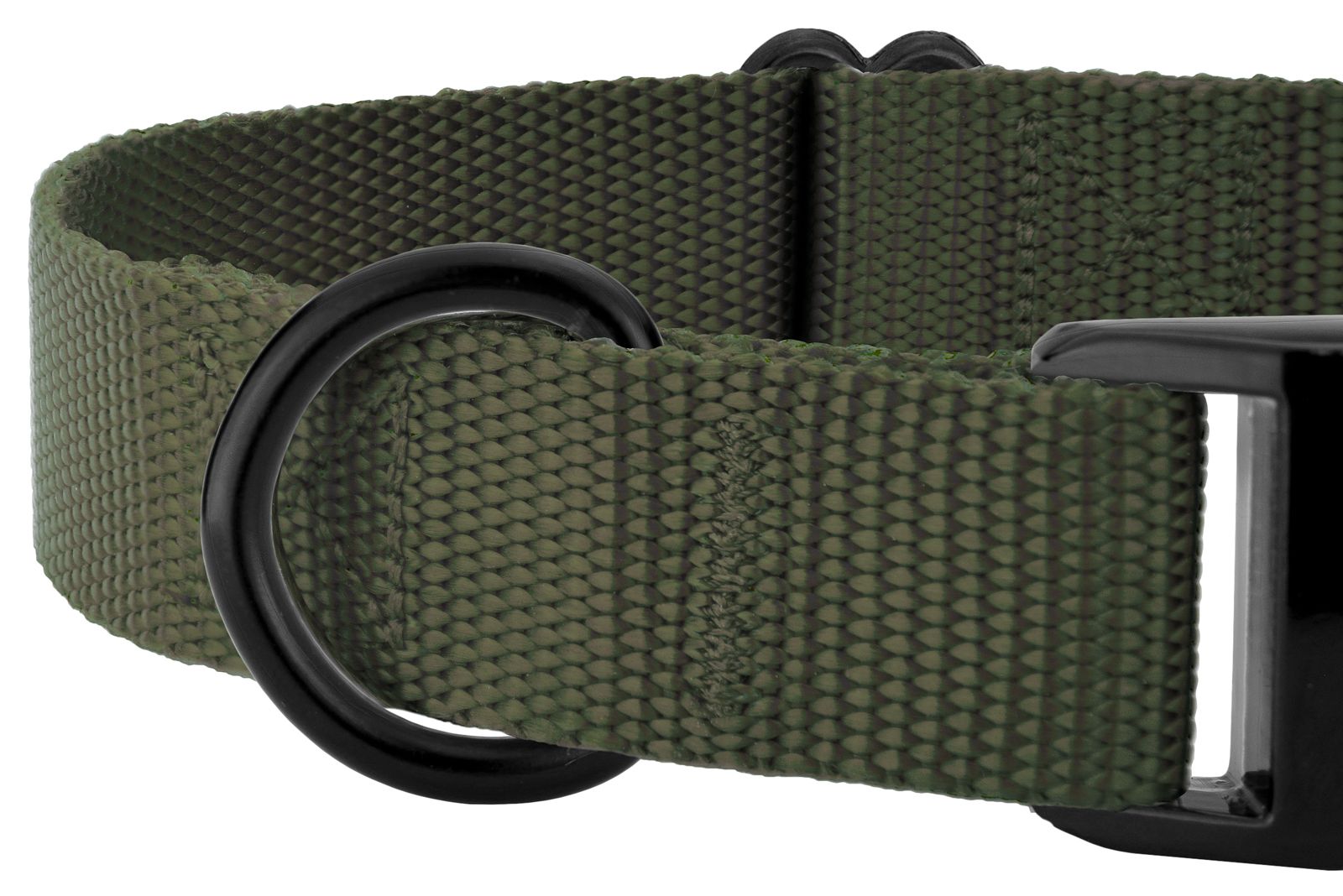
D-Rings aren’t just functional—they can also be stylish. Many are coated in various colors to match the design of the products they’re attached to, such as dog collars or utility straps. This customization allows for a cohesive and appealing look without compromising durability.
Outdoor Furniture and Lawn Chair Repairs
D-rings can also be useful for outdoor furniture repair and custom outdoor projects, especially when paired with durable webbing.
While lawn chair repair often uses specific clips, fasteners, screws, or chair webbing hardware, D-rings may be used in related strap systems, outdoor gear, storage loops, or adjustable components.
For any outdoor project, consider exposure to sunlight, rain, humidity, and rust. Stainless steel, brass, or other corrosion-resistant options may be better suited for outdoor and marine environments than basic hardware that could rust over time.
Decorative D-Ring Uses
D-rings are functional first, but they can also be part of the design.
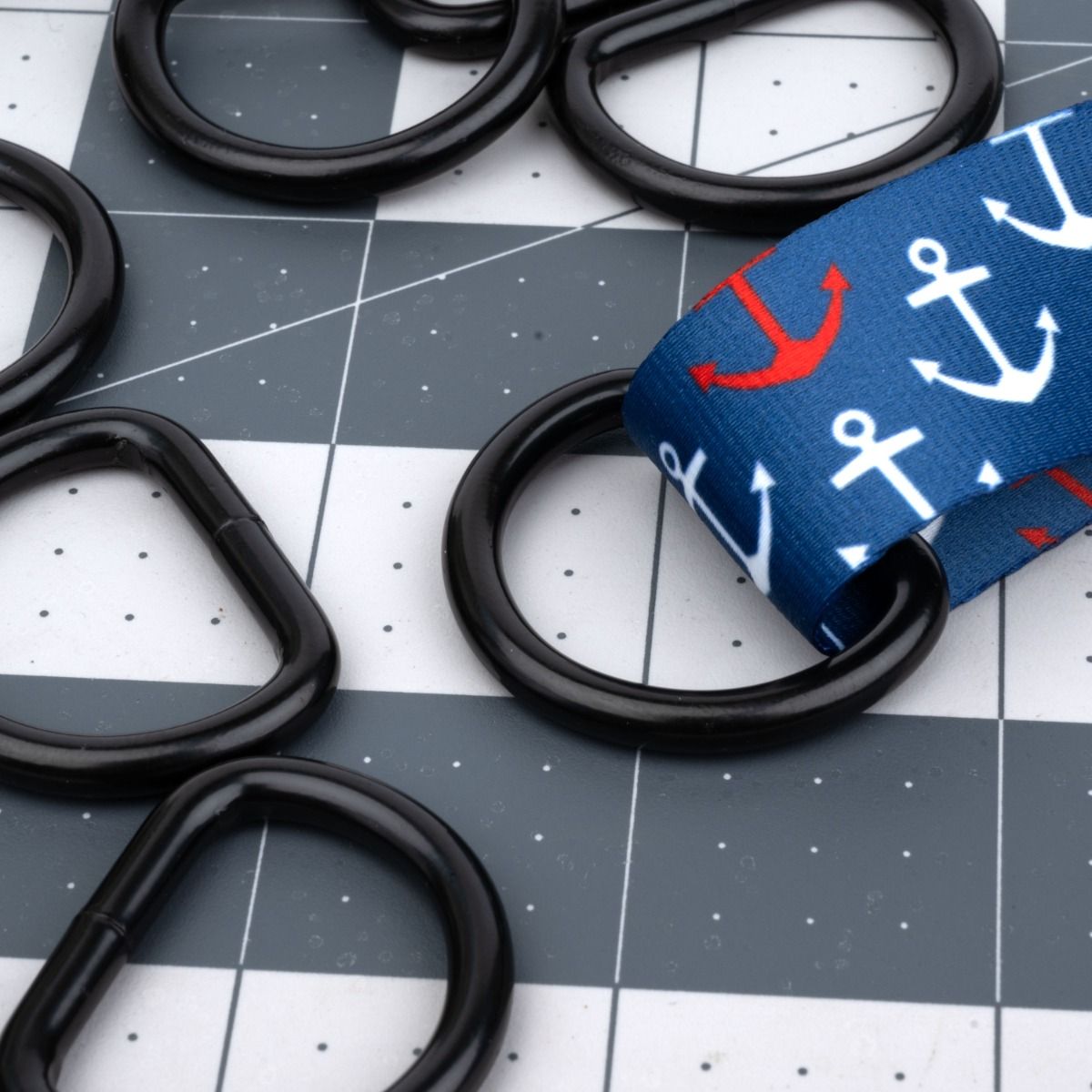
Different finishes can change the look of the finished project dramatically. A black D-ring can feel sleek and modern. Brass can feel warm, classic, or premium. Nickel can look clean and traditional. Antique copper can add a more rustic or handmade feel.
Decorative D-rings are often used in:
- Fashion straps
- Purse hardware
- Pet collars
- Belts
- Costume pieces
- Craft accessories
- Decorative wall hangings
- Handmade gifts
For makers who sell finished goods, hardware finish can help define the product’s style and perceived value. A collar with coordinating webbing, buckle, triglide, and D-ring feels more intentional than a project where the hardware looks mismatched.


Strength and Durability: Key Considerations
One of the main advantages of D-Rings is their strength and ability to handle a variety of tasks. However, not all D-Rings are created equal. Factors like material, size, and thickness play a significant role in determining their strength.
- Steel and Brass: Metal D-rings are typically stronger, more durable, and better suited for projects that require dependable performance. These materials typically include strength ratings, ensuring they can handle heavier loads.
- Plastic: While lightweight, plastic D-Rings lack strength ratings and are better suited for decorative purposes or when the project does not need to support heavy pulling or load-bearing use. For pet collars, outdoor gear, or utility straps, always consider whether plastic hardware is strong enough for the intended use.
When purchasing D-Rings, it’s crucial to understand the weight and strength requirements for your specific use case. Always check the listed strength values to ensure the D-Ring meets your needs.
Choosing the Right D-Ring Size
Sizing is one of the easiest places to make a mistake.
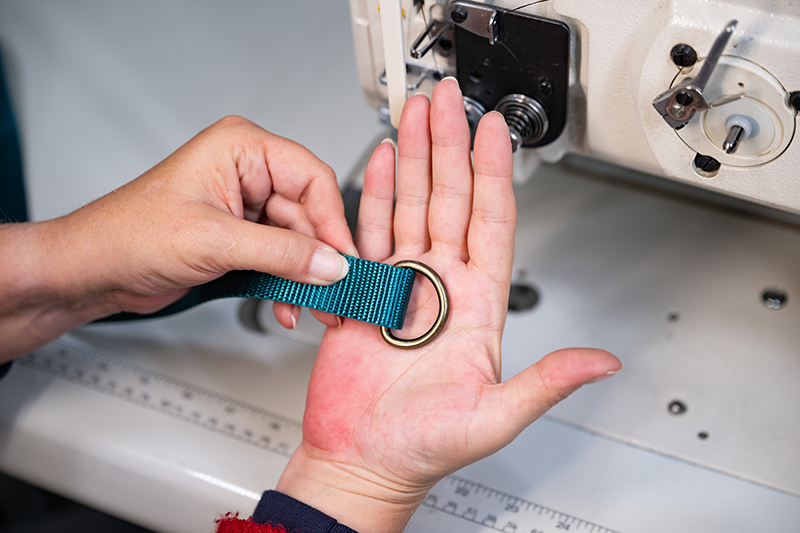
In most webbing projects, the D-ring size should match the width of your webbing.
For example:
- 1/2-inch webbing usually pairs with 1/2-inch D-rings
- 3/4-inch webbing usually pairs with 3/4-inch D-rings
- 1-inch webbing usually pairs with 1-inch D-rings
- 1 1/2-inch webbing usually pairs with 1 1/2-inch D-rings
- 2-inch webbing usually pairs with 2-inch D-rings
If the D-ring is too small, the webbing may bunch, fold, or become difficult to sew. If it is too large, the webbing may shift around too much and make the project feel less secure.
Choosing the Right D-Ring Finish
Once you know the size and strength you need, you can choose the finish.
Popular D-ring finishes include:
- Nickel
- Black
- Brass
- Antique brass
- Antique copper
- Gold
- Stainless steel
The finish should match both the look and function of the project. A black D-ring might look great on tactical-style webbing, a brass D-ring may elevate a premium collar, and stainless steel may be ideal for projects exposed to moisture.
For handmade products, coordinating your D-ring with the rest of the hardware can make the finished piece look more professional.
Safety and Strength Considerations
The biggest advantage of D-Rings is their versatility. Whether you’re connecting a leash to a dog collar, creating an adjustable strap, or anchoring a utility strap, D-Rings provide reliable and efficient solutions. Their wide range of styles and materials ensures there’s a perfect option for every application.
How to Attach a D-Ring to Webbing
There are several ways to attach a D-ring depending on the project.
The most common method is to fold the end of the webbing around the flat side of the D-ring and sew it securely in place.
For stronger projects, use reinforced stitching such as:
Box stitches
X-box stitches
Bar tacks
Multiple rows of straight stitching
For some projects, rivets may be used in addition to or instead of stitching, depending on the material and intended use.
If the D-ring will be used for a dog collar, leash, bag strap, or utility application, make sure the stitching is strong, even, and appropriate for the material.
D-Ring Project Ideas
Once you start noticing D-rings, you’ll see project ideas everywhere.
Here are a few ways to use them:
- Sew a custom dog collar with a matching leash attachment
- Add a D-ring to a leash handle for keys or waste bags
- Make a patterned webbing key fob
- Create an adjustable D-ring belt
- Add removable straps to a handmade bag
- Repair a backpack strap
- Build a utility strap for gear organization
- Make a lanyard for keys or badges
- Add attachment points to a camera strap
- Create a custom purse strap
- Design matching collar and leash sets for pets
- Make travel straps for luggage or gear
D-rings are especially useful because they can be simple enough for beginner projects while still being strong enough for more advanced applications.

Small Hardware, Big Difference
D-rings may not be the flashiest part of a project, but they are often one of the most important. They create connection points. They help straps adjust. They make collars, leashes, bags, belts, and utility projects more functional. They can also add style, structure, and a more professional finish to handmade pieces.
The key is choosing the right D-ring for the job. Match the size to your webbing, choose the right material for the level of use, consider the environment, and make sure the hardware is strong enough for the project. Whether you’re making custom dog collars, building bag straps, repairing outdoor gear, or creating small accessories for your shop, D-rings are one of the most versatile hardware pieces to keep in your crafting collection.
They may be small, but once you start using them, you’ll understand why they show up in so many projects.


